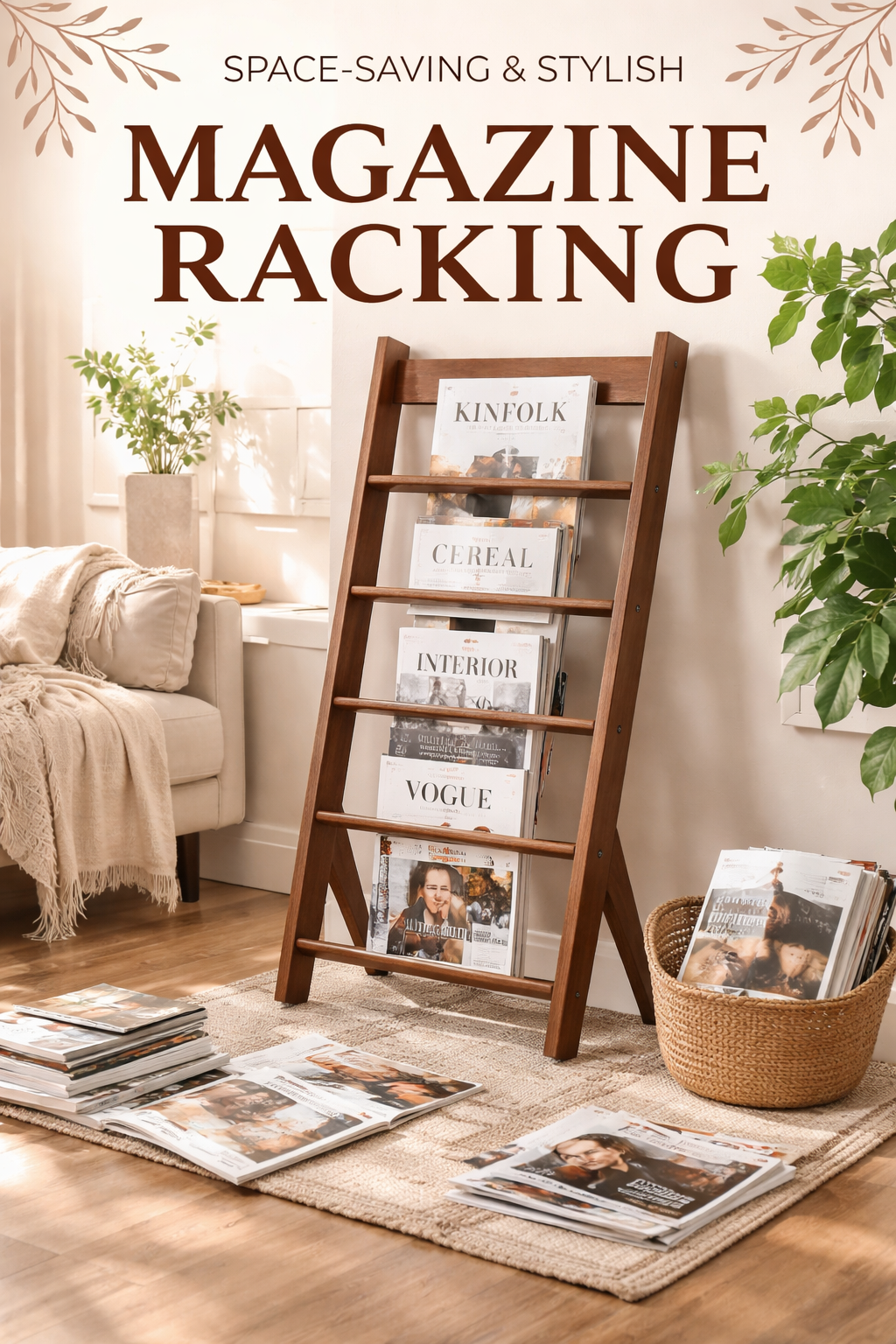
Learn what magazine racking is, how it works, and why it matters for offices, libraries, and storage spaces. Discover types, benefits, and easy tips to choose the right system.
Introduction
If you’ve ever dealt with piles of magazines, brochures, catalogs, or documents stacking up in a corner, you already know how quickly things can get messy. That’s exactly where magazine racking comes in.
In simple terms, magazine racking is a storage and display system designed to keep printed materials organized, visible, and easy to access. It’s used in offices, libraries, retail stores, and even warehouses where keeping information neat and reachable really matters.
It’s not just about storage—it’s about making everyday work feel less cluttered and more efficient.
What is Magazine Racking?
At its core, magazine racking is a structured way to store magazines and similar materials so they don’t end up scattered everywhere.
Instead of piling things horizontally, these racks hold items in an upright or angled position. That small design difference makes a big impact—you can actually see what you have without digging through stacks.
Most magazine racking systems are designed to be:
- Easy to scan visually
- Simple to access
- Space-efficient
- Neat and professional-looking
Think of it as giving your printed materials their own “home.”
Types of Magazine Racking
Not all spaces are the same, so magazine racks come in different styles. Here are the most common ones you’ll come across:
Wall-Mounted Racks
These attach directly to the wall and are great when floor space is limited. You’ll often see them in waiting rooms or reception areas.
They’re clean, minimal, and keep everything off the ground.
Freestanding Racks
These are the most flexible option. You can move them around whenever needed, which is helpful in busy offices or shared spaces.
If your layout changes often, this type makes life easier.
Rotating Racks
These racks spin, allowing you to browse materials from all sides. They’re popular in libraries and retail environments because they save space while offering lots of storage.
Tiered Floor Racks
These come with multiple levels stacked vertically. Each layer holds magazines or documents, making it easier to categorize things.
They’re ideal when you have a larger volume of material.
Heavy-Duty Industrial Racks
In warehouses or technical environments, you’ll find stronger versions designed to hold manuals, records, and documentation that needs long-term storage.
They focus more on durability than design.
Why Magazine Racking Matters
It might seem like a small detail, but good storage makes a noticeable difference in day-to-day work.
It keeps things organized
No more scattered papers or lost magazines. Everything has a clear place.
It saves time
When materials are visible and well-arranged, you don’t waste time searching.
It improves space usage
Vertical and structured designs help you make the most of even small rooms.
It looks more professional
A tidy rack system instantly makes a space feel more organized and intentional.
It protects materials
Magazines and documents last longer when they’re stored properly instead of being bent or piled up.
Where You’ll Commonly See Magazine Racking
Magazine racking isn’t limited to one type of place. You’ll find it in:
- Offices (for reports, brochures, and client materials)
- Libraries (for journals and newspapers)
- Retail stores (for catalogs and product guides)
- Schools and colleges (for reference materials)
- Warehouses (for manuals and technical documents)
Basically, anywhere printed information needs to stay organized.
Materials Used in Magazine Racking
The material plays a big role in how the rack looks and performs.
- Metal
Strong and long-lasting. Best for heavy or frequent use.
- Wood
Warm and aesthetic. Common in offices and libraries where appearance matters.
- Plastic
Lightweight and budget-friendly. Good for basic or temporary setups.
- Acrylic
Modern and transparent. Often used in display areas where presentation is key.
How to Choose the Right Magazine Rack
Choosing the right setup doesn’t have to be complicated. Just think about a few basics:
- How much do you need to store?
- How often will you access it?
- How much space do you have?
- Do you need something movable or fixed?
- Should it match your interior style?
Once you answer those, the right option usually becomes obvious.
Installation Tips (Keep It Simple)
A good setup doesn’t need to be complicated, but a few things help:
- Don’t overload shelves
- Make sure wall-mounted racks are secured properly
- Keep weight evenly distributed
- Place frequently used items at eye level
- Follow basic assembly instructions carefully
Small details like these make the system last longer and work better.
Maintenance Tips
Magazine racks don’t need much maintenance, but a little care goes a long way:
- Dust them regularly
- Avoid stacking too many heavy items
- Tighten screws occasionally
- Reorganize when things get cluttered
- Replace damaged parts early
It’s all about keeping things simple and consistent.
Final Thoughts
Magazine racking might not be the most exciting topic, but it plays a surprisingly important role in keeping spaces organized and functional. Whether it’s a busy office, a quiet library, or a retail showroom, the right rack system makes everything feel more controlled and easier to manage.
At the end of the day, it’s a small upgrade that makes everyday work a lot smoother.